Audiolux
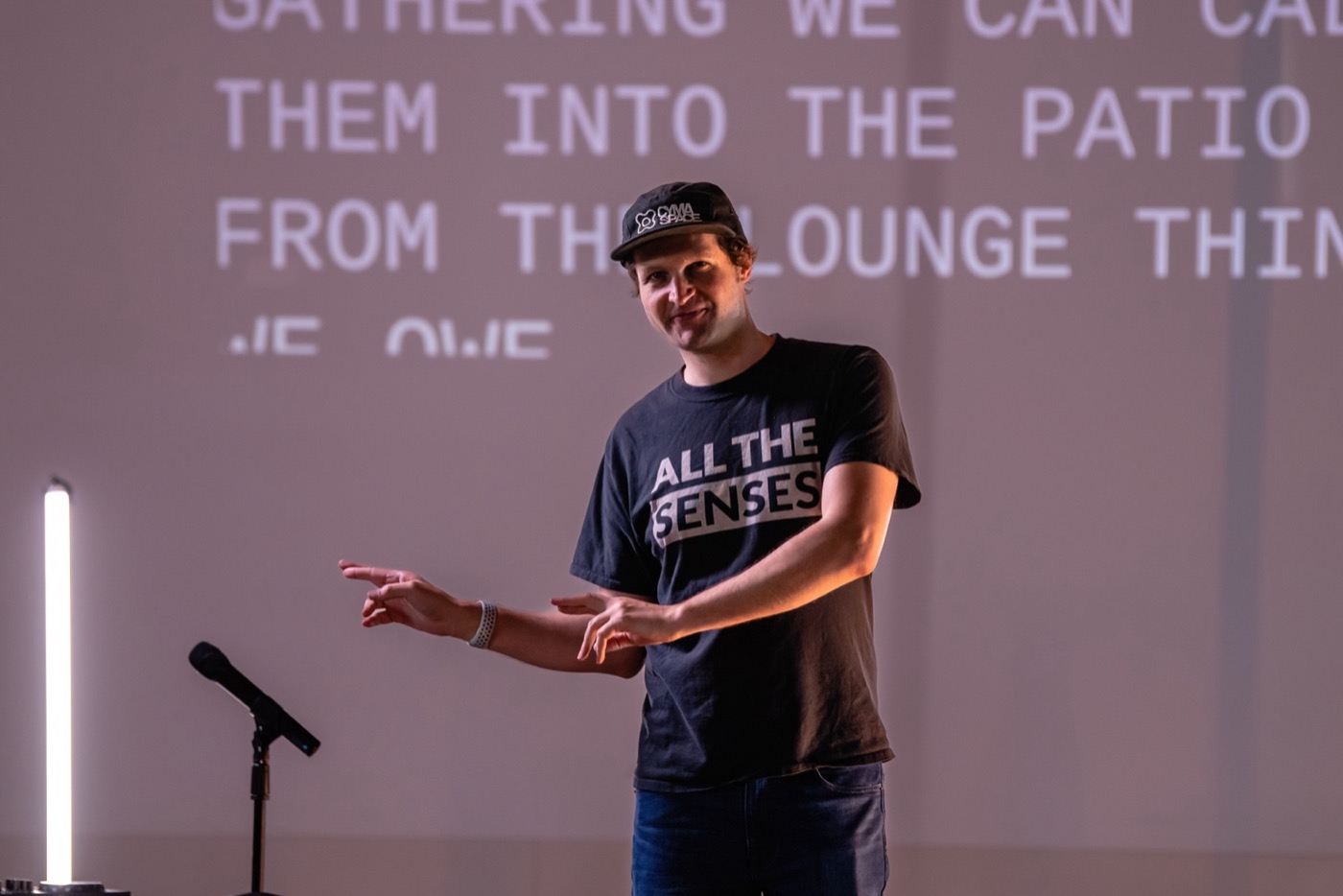
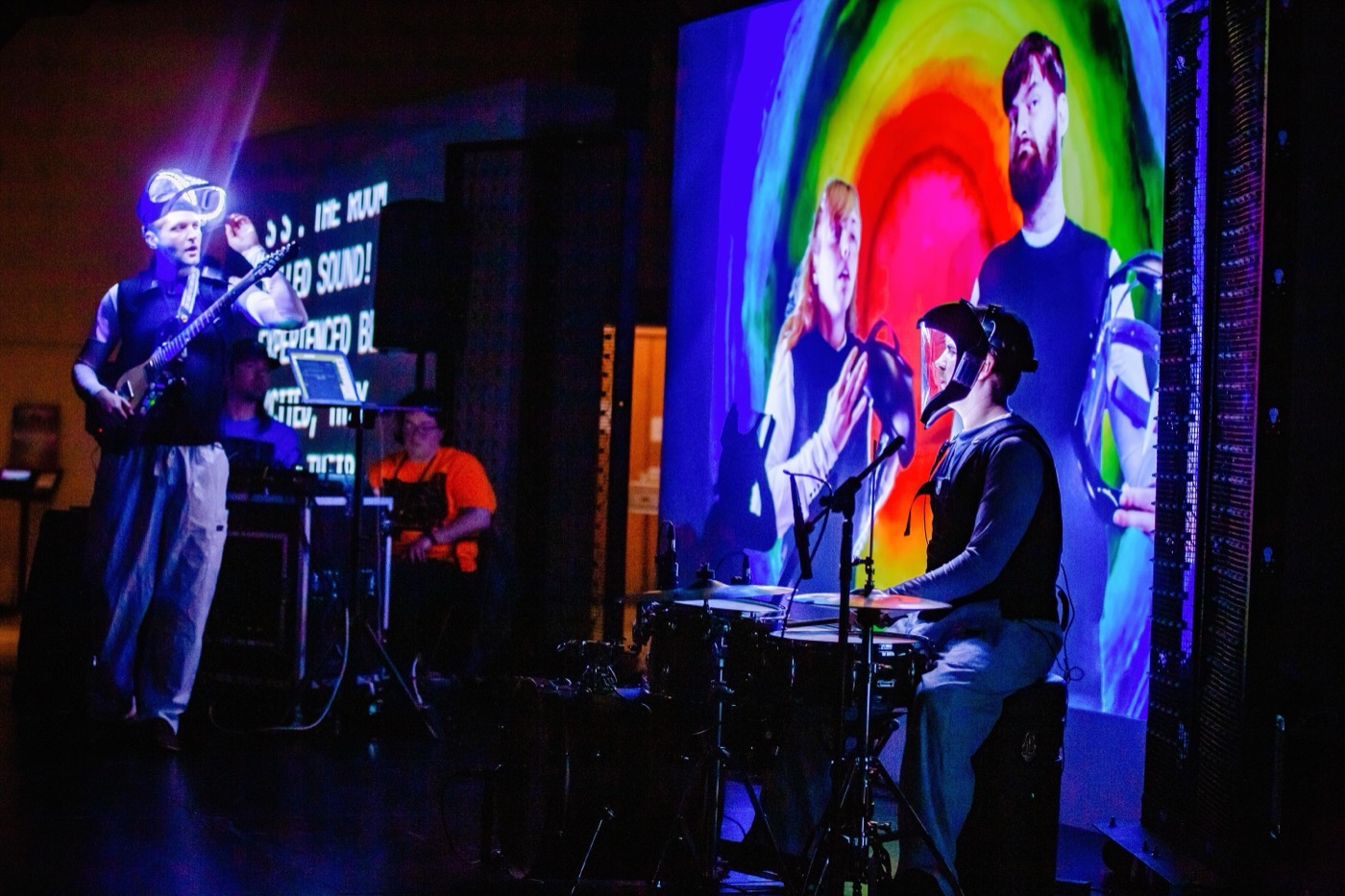
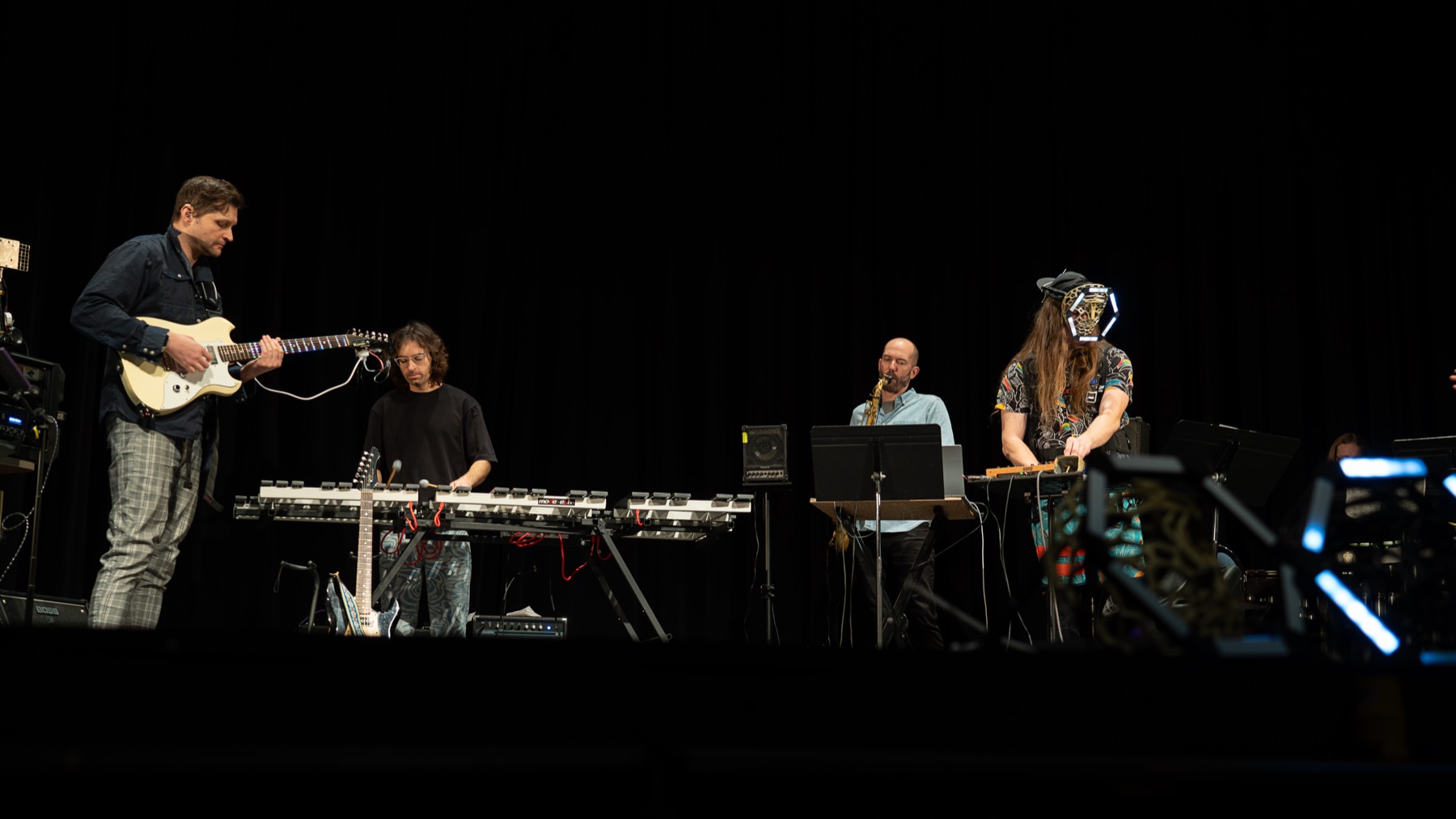
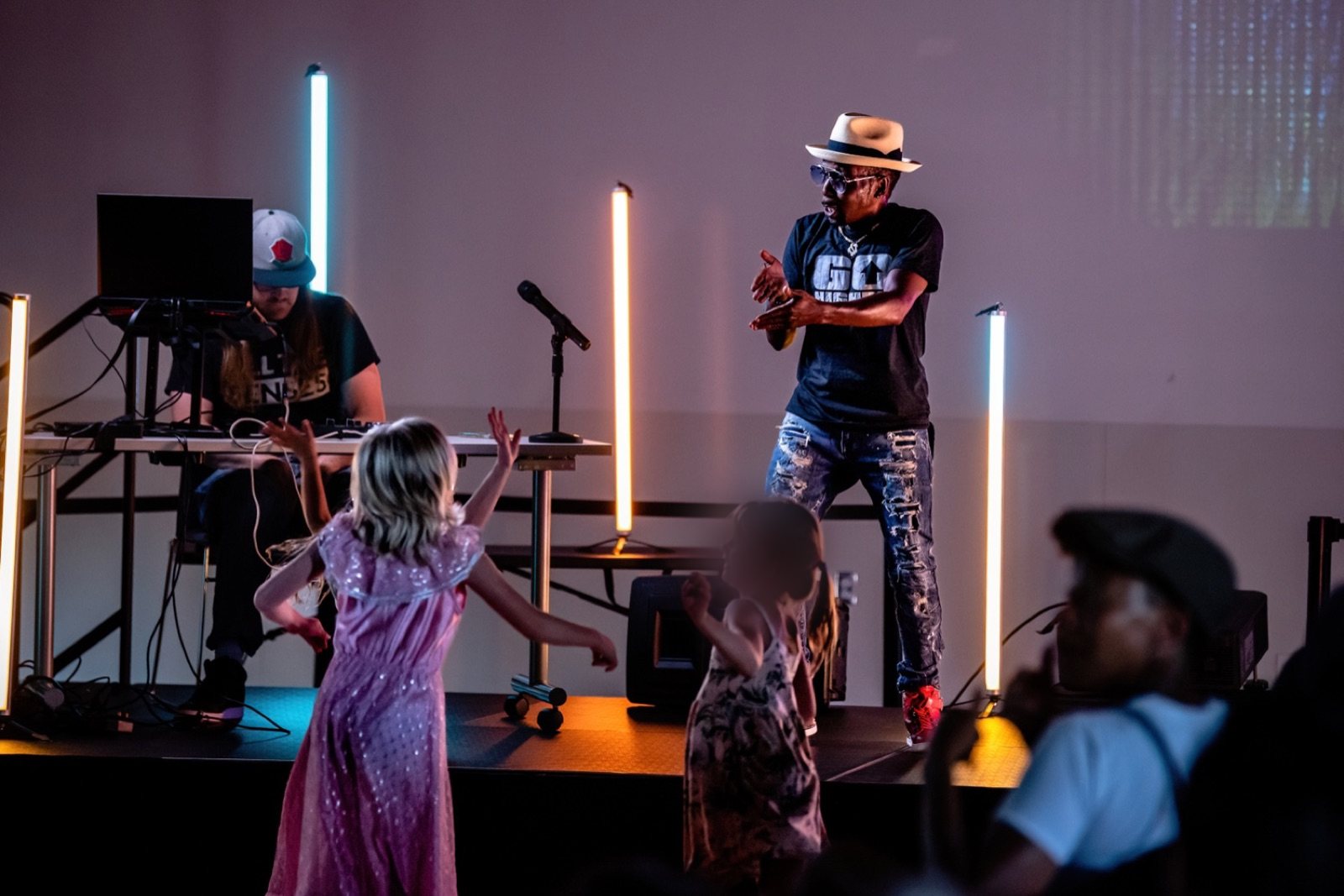
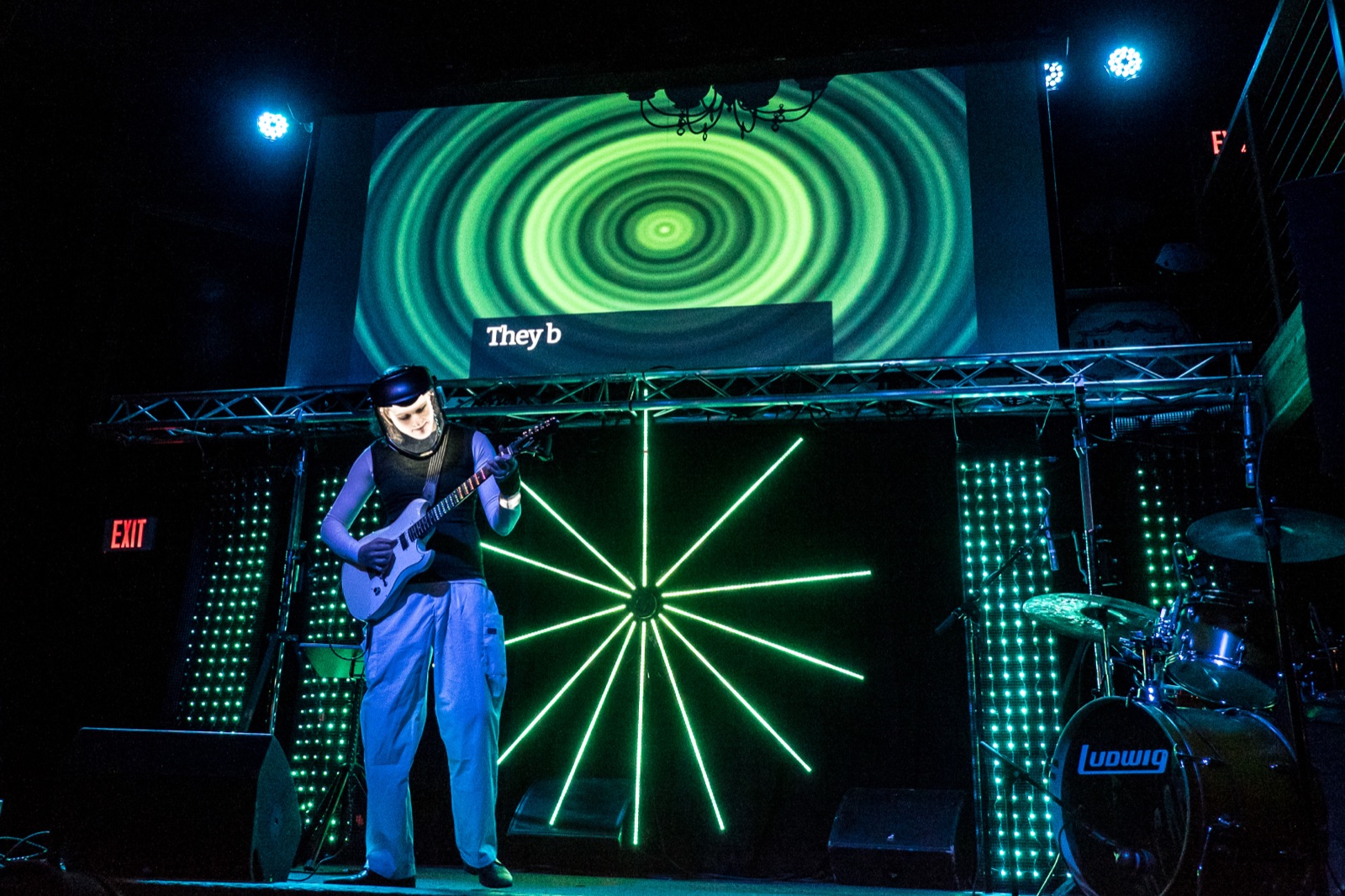
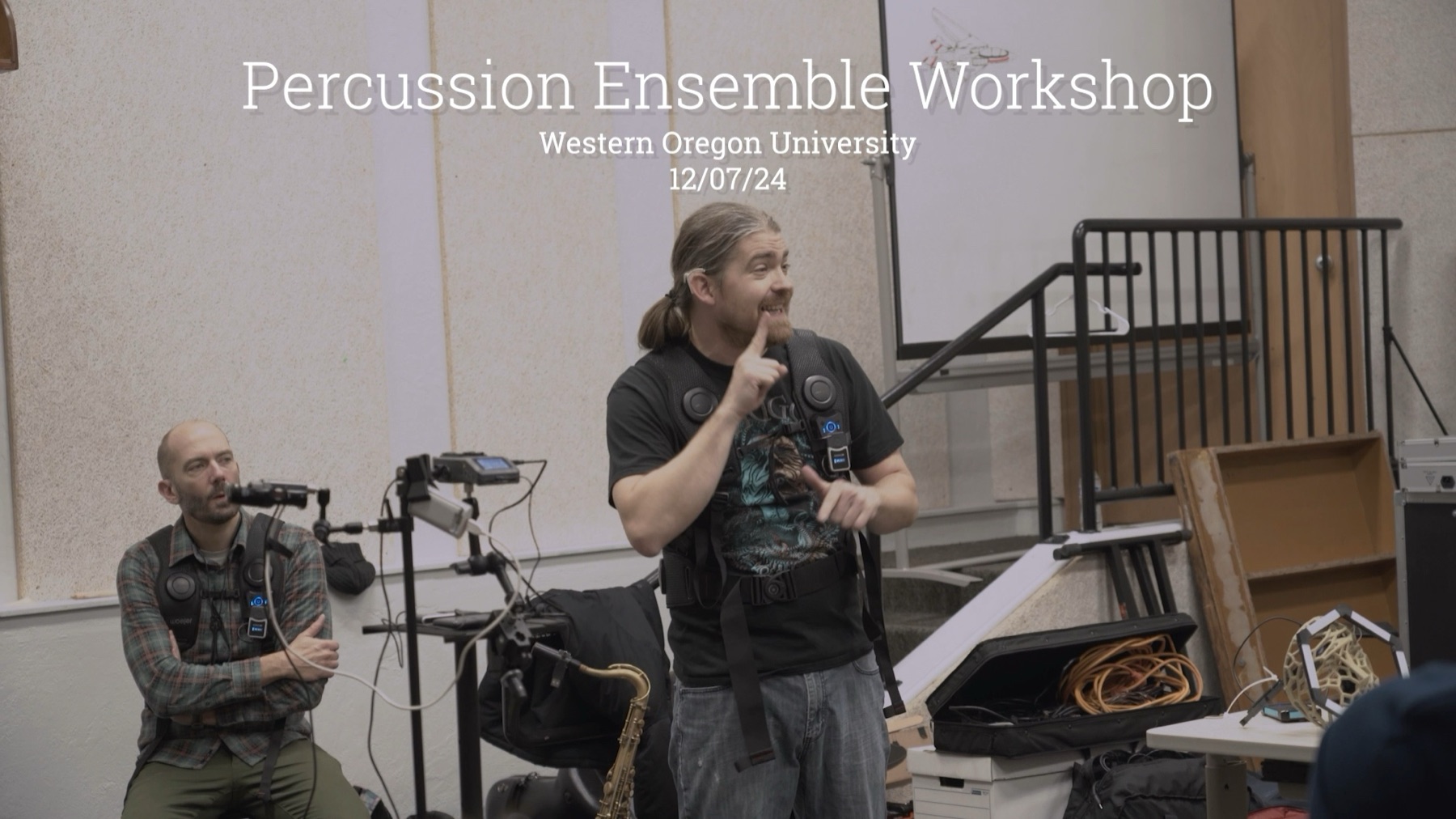
Open-source hardware that translates audio into light and vibration so sound can be seen and felt.
- Deployed at festivals and venues
- Open-source, rentable, and DIY kits
- Spawned Audiolux Devices & CymaSpace
A Public-Benefit Technology Initiative
Helpful Tech helps mission-driven people and organizations use accessible, ethical technology for public benefit — expanding access, agency, creativity, and community power.
Nonprofits, schools, artists, and public-interest teams need better technology support — but lack the capacity to implement it safely and accessibly.
"The opportunity is not just to use new tools. It is to help communities shape technology around their own needs."
Education, strategy, pilots, and implementation support — built around the people the technology actually serves.
Responsible AI adoption for mission-driven teams.
Treat access as infrastructure, not a feature flag.
Inclusive tools at the intersection of art, accessibility, and code.
Prototypes that solve real community problems.
Hands-on technical assistance, not consulting decks.
Reusable playbooks, open to the field.
Organizations and communities that need technology — but cannot rely on standard commercial tech models alone.
| Typical Tech Support | The Helpful Tech Approach |
|---|---|
| One-off workshops with no follow-through | Sustained technical assistance built around real workflows |
| Accessibility as a compliance checkbox | Accessibility as a design principle from day one |
| Tools chosen for the vendor, not the community | Open-source and community-governed options prioritized |
| Capacity building separated from implementation | Education and delivery integrated in every engagement |
| Expertise extracted from community, not shared back | Playbooks, documentation, and models open to the field |
Three existing initiatives — Deaf-led, open-source, community-tested — that informed the shape of Helpful Tech.
Open-source hardware that translates audio into light and vibration so sound can be seen and felt.
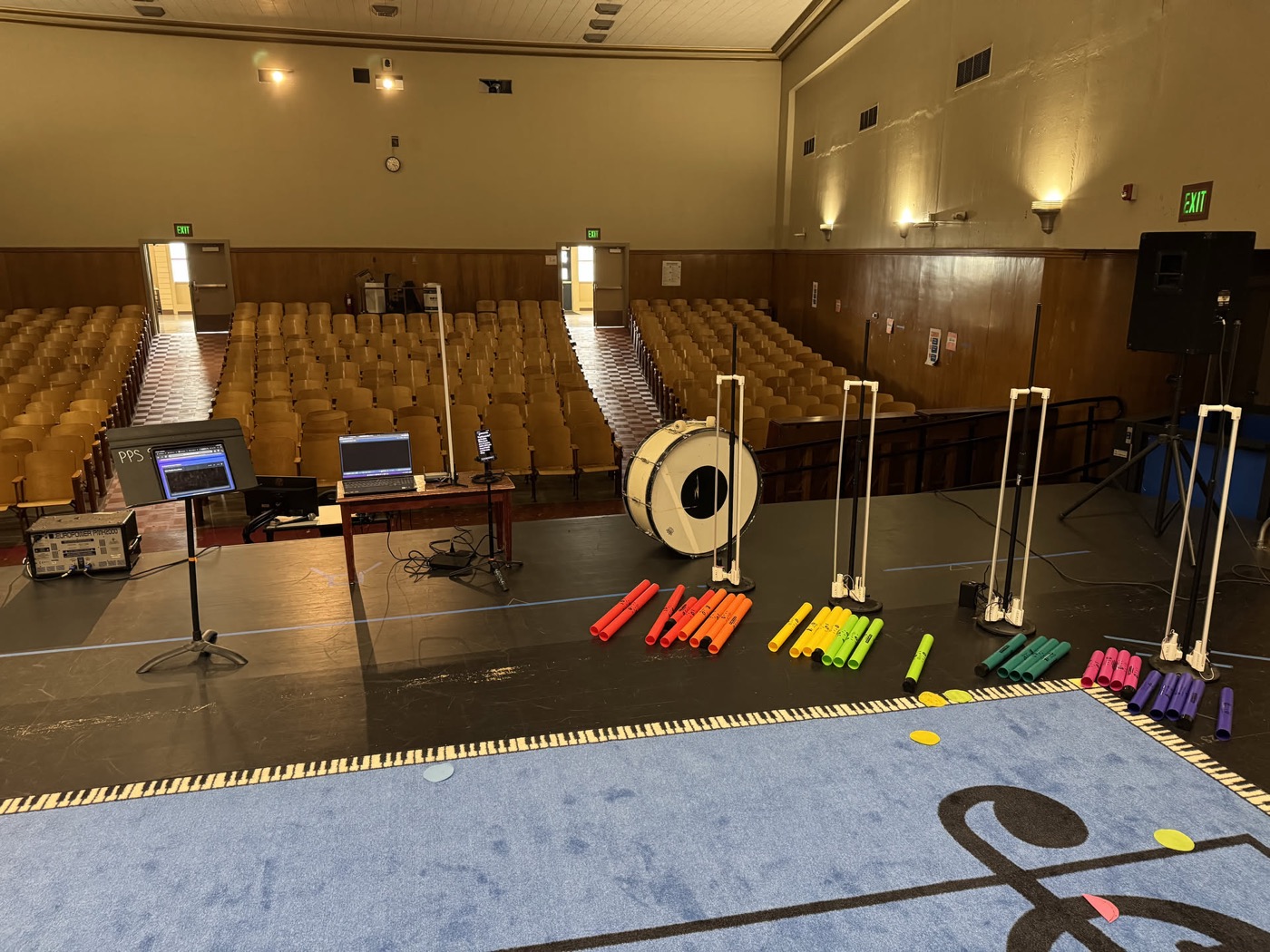
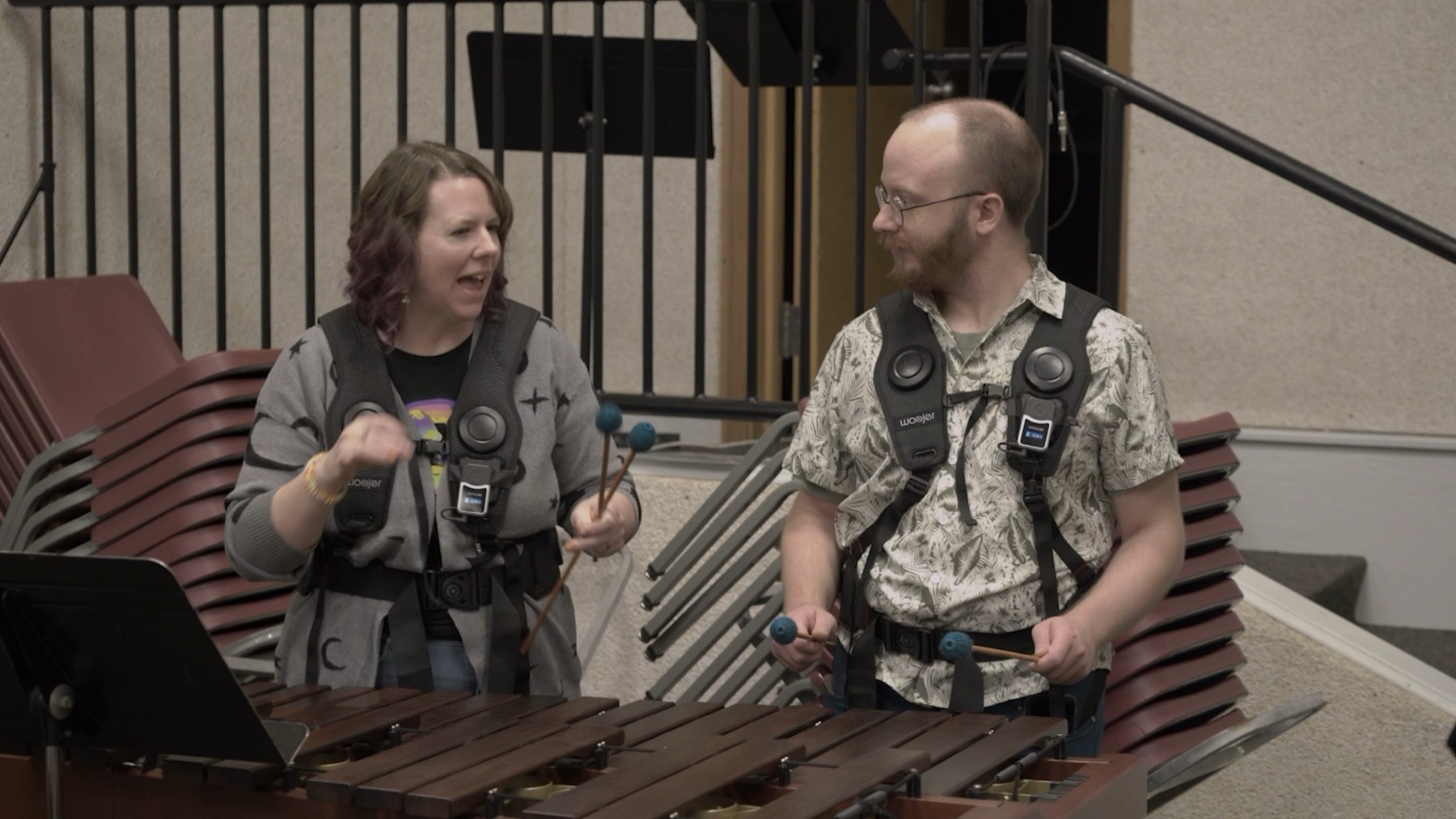
An instrument that feels like a game, disguised as a toy — teaching music through color, no theory required.
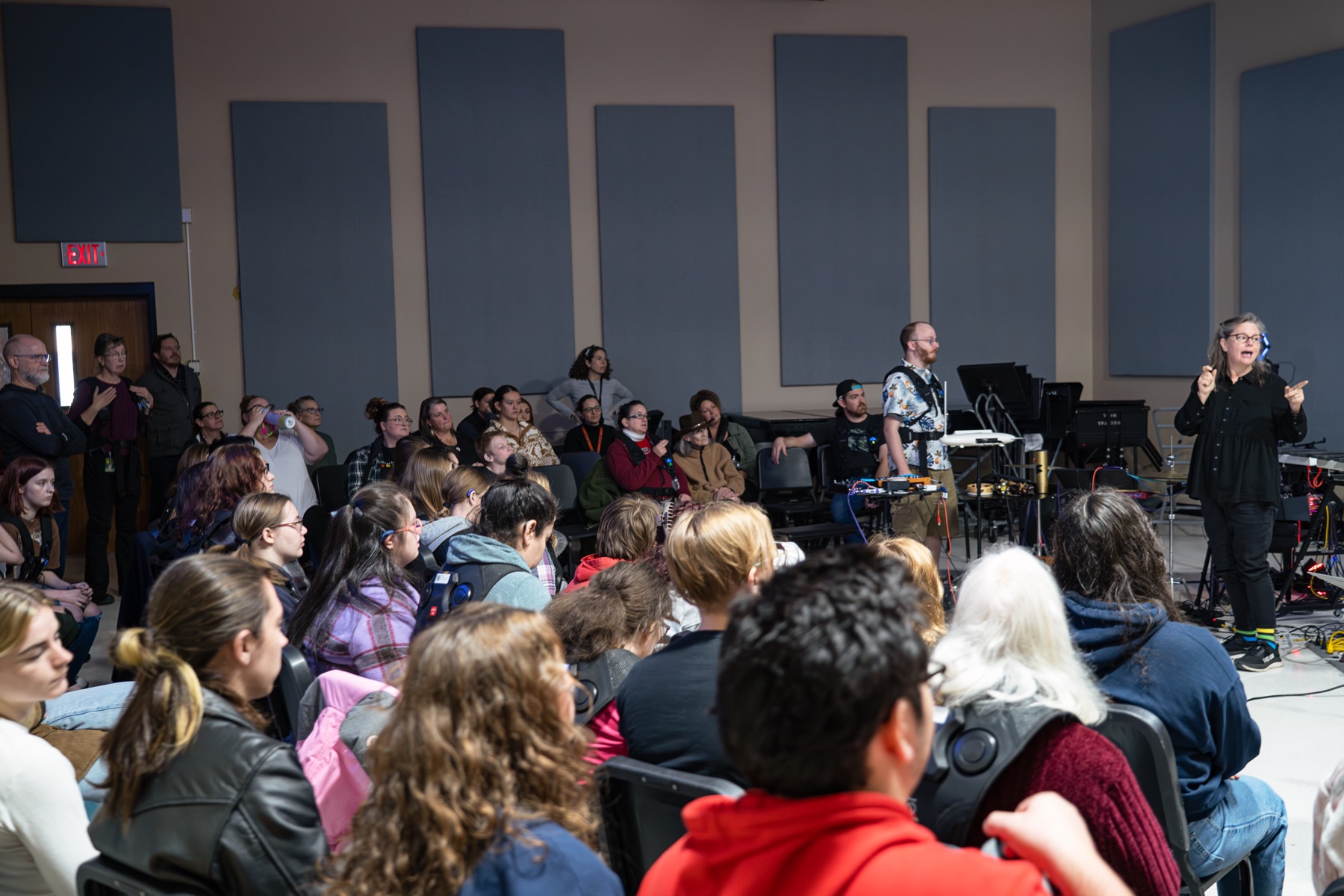
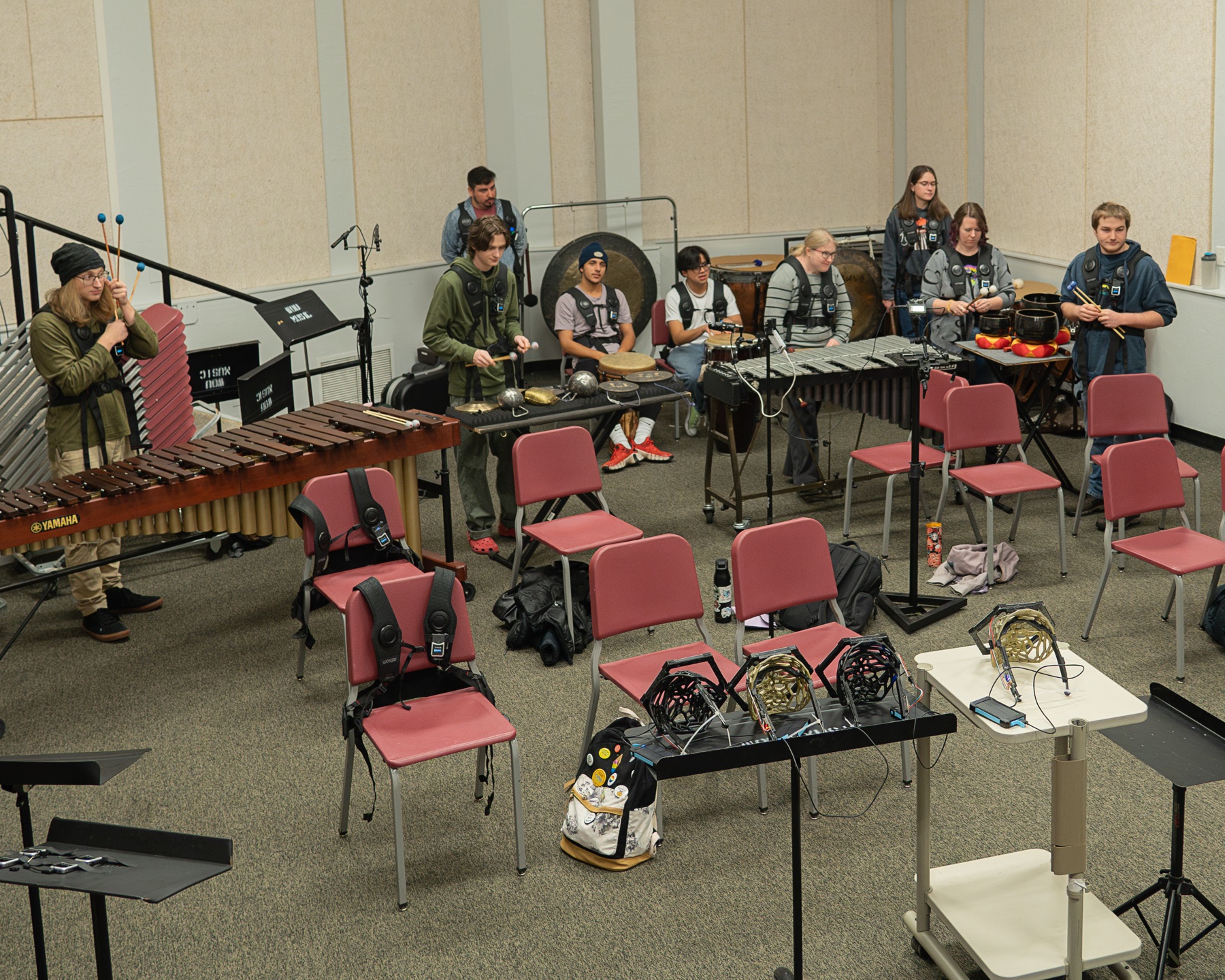
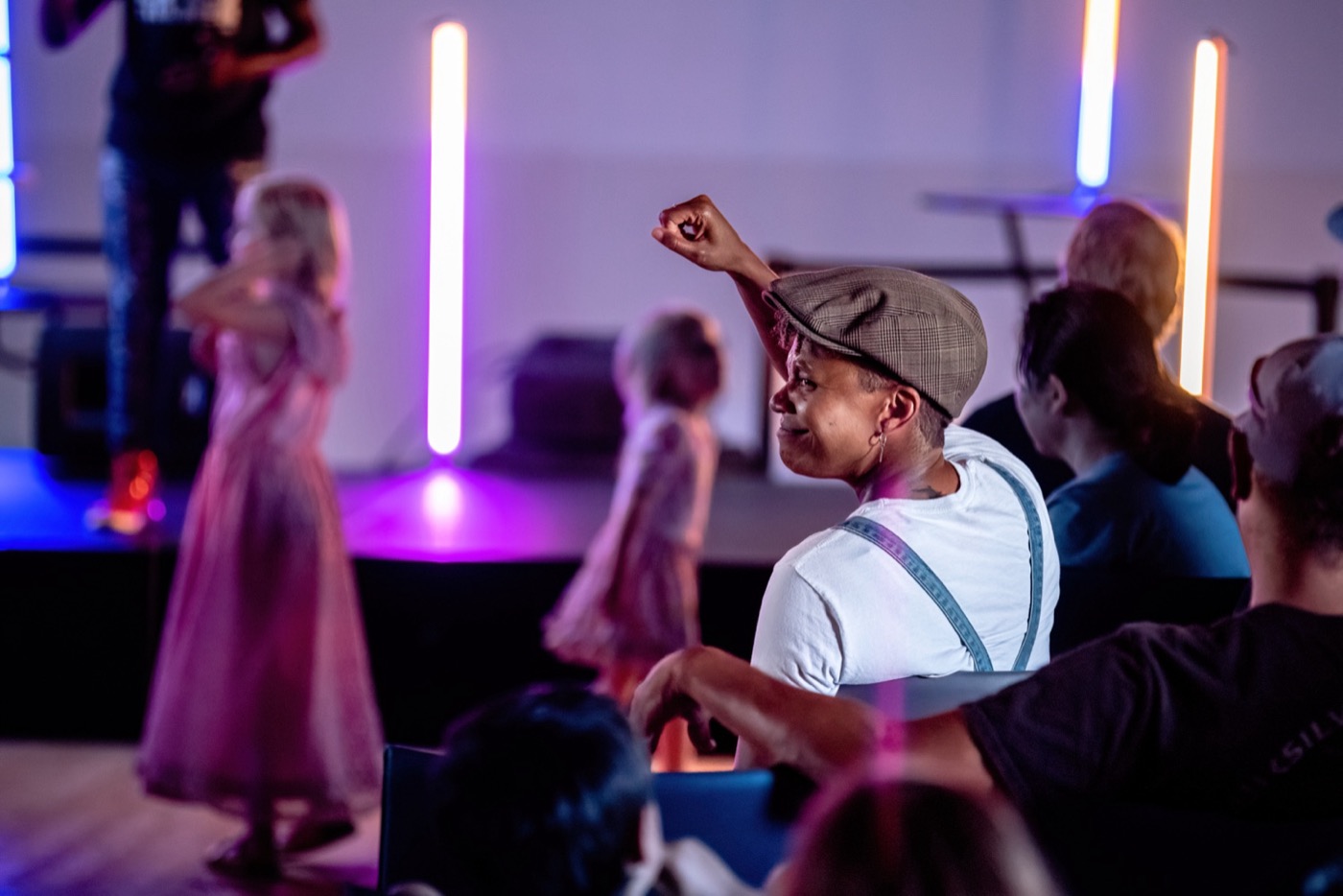
A Deaf-led research program reimagining music as an immersive, tangible encounter.
Each program is an independent surface — connected by a single set of values around access, ethics, and community-led design.
Program 01
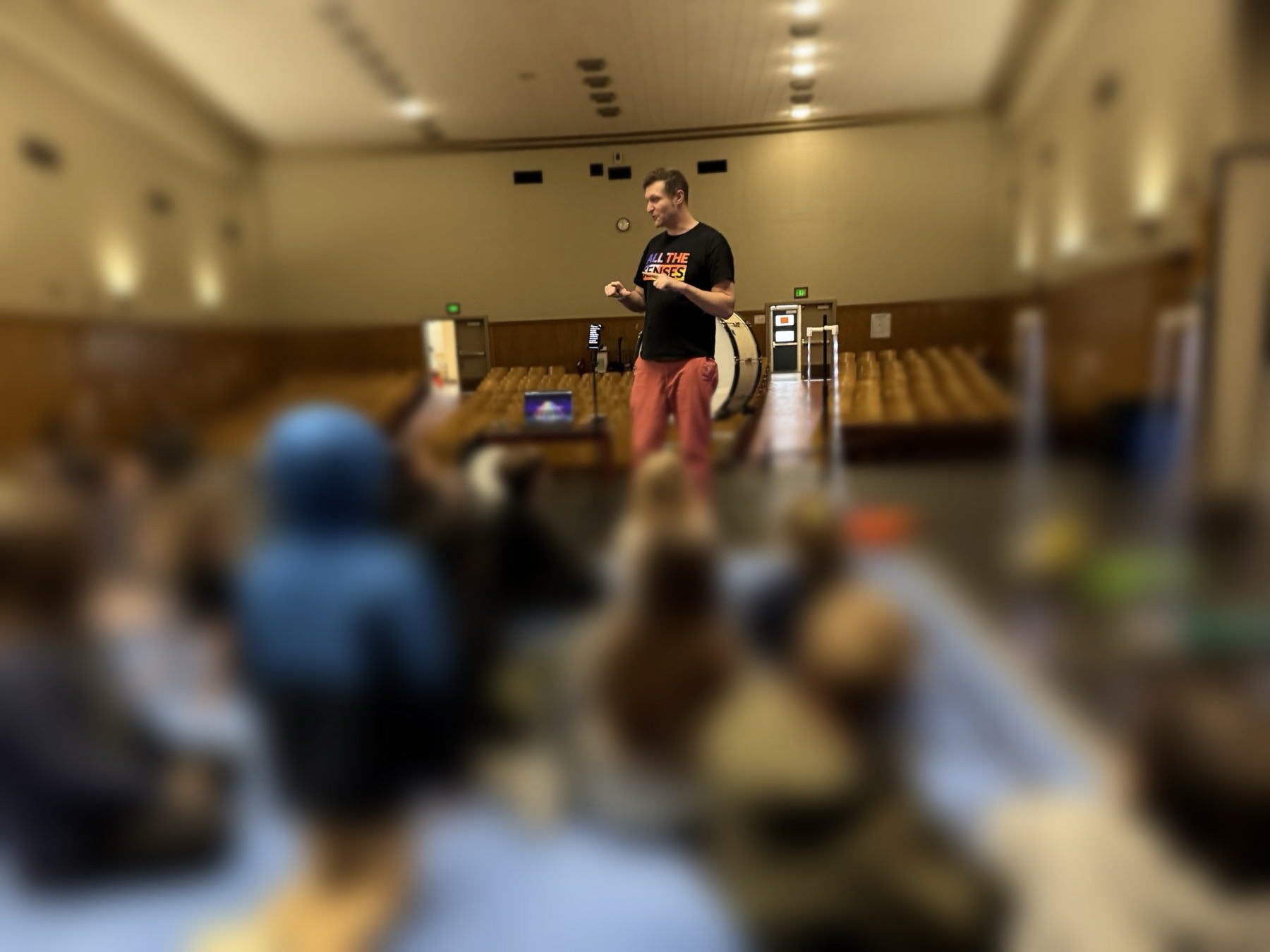
Practical AI education for mission-driven teams — built around real workflows, real risks, and real accessibility constraints.
Program 02
A lab for designing and testing systems that solve real community problems — open-documented, shared back to the field.
Program 03
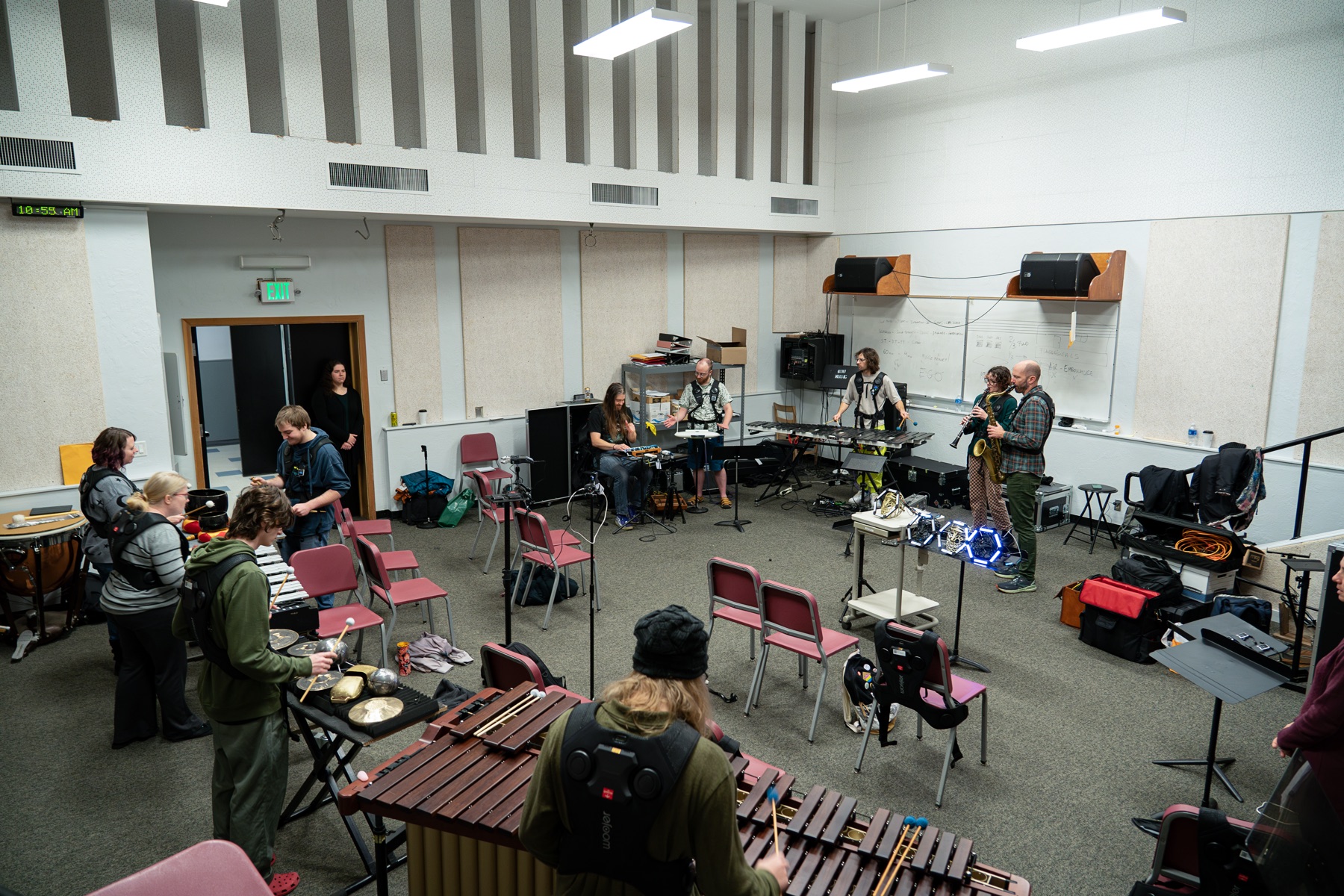
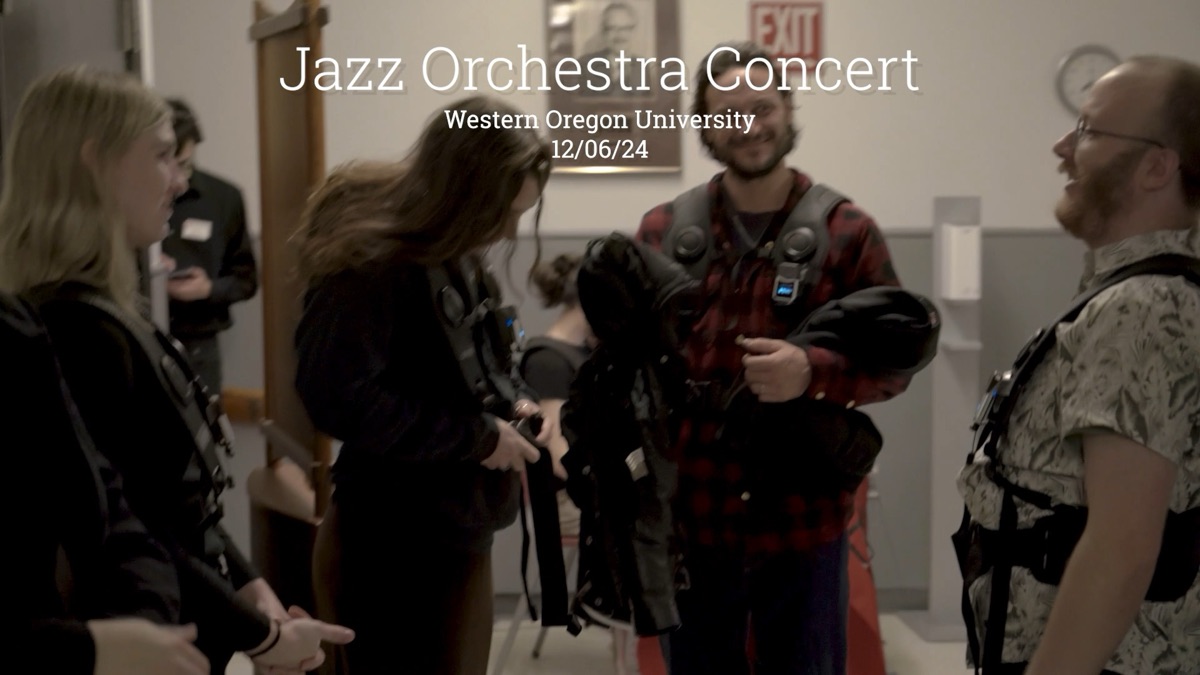
Public-benefit deployments of accessible sound, music, light, and haptic technology — a partnership between Audiolux and UMD, Deaf-led and classroom- and stage-ready.
Program 04
A cooperative network for disabled innovators, artists, technologists, and public-interest builders — intelligence we can trust because we share it.
AI is consolidating into a handful of frontier labs whose data and accessibility choices the rest of us cannot see or steer. DI Coop is a counter-pattern — so the people most affected hold the keys.
Program 05
Helpful Tech may provide a future continuation pathway for Universal Music Design, subject to stakeholder, grant, board, and IP review.
"Move carefully, transparently, and with respect for the existing history of the work."
Align with existing funders, partners, and program stakeholders before any transition.
Inventory all intellectual property, assets, and institutional knowledge held in UMD.
Establish appropriate governance structures and board review before any formal move.
Determine the long-term home for the work — inside or alongside Helpful Tech.
Program 06
Definition
DAO = Decentralized Autonomous Organization — A member-run organization where rules, money, and decisions live on a public ledger. Anyone with a stake can propose, vote, and audit — no closed-door committee, no hidden books.
A small, time-boxed pilot to test transparent governance, on-chain finances, and stakeholder voting as a working model for Helpful Tech itself and the communities it serves.
Practice the governance we recommend — before we recommend it.
Faster to launch. Lower administrative burden. Charitable from day one — without forming a new nonprofit too soon.
Fiscal sponsorship means Helpful Tech can accept tax-deductible donations and grants immediately, without the overhead of forming and maintaining a standalone 501(c)(3).
Rapid launch, focus on program work over compliance, access to foundation and government funding from day one, and a clear path to independence when the time is right.
Trust with funders, community credibility, and institutional legitimacy — while keeping the operational model lean and the governance transparent.
Charitable funding underwrites public-interest work; earned program revenue keeps the practice grounded in real client needs.
Helpful Tech must be built with clear, written boundaries — so that mission, money, and method stay separable and reviewable.
"Advisory circle in place before any board is formed."
Outcomes for the people and organizations Helpful Tech serves — not vanity metrics for the initiative itself.
Organizations that can implement AI responsibly without dedicated technical staff
Public-interest tech projects that include accessibility from the first design decision
Disabled and Deaf community members as active co-designers, not just end users
Open playbooks published and reused by field partners outside of Helpful Tech
Community pilots that move from prototype to deployment within the first year
Grant-funded programs that generate matching earned revenue from community partners
Program participants who go on to train others in their own organizations
Community members who experience technology as something they shape — not something done to them
Identify a fiscal sponsor, establish governance documents, open books, and stand up Helpful Tech as a recognized initiative with charitable status from day one.
Run the first cohort of AI Literacy workshops, begin the Systems Lab, and scope the Audiolux × UMD partnership — grounded in real community need.
Form the advisory circle, establish conflict-of-interest policies, document IP ownership, and publish transparent program budgets before any board is formed.
Begin the four-gate stakeholder and IP review process for Universal Music Design — carefully, transparently, and with respect for the existing work and relationships.
Helpful Tech
Powerful tools — usable, ethical, accessible, and community-owned.
Helpful Tech / Vision Brief — 2026
View Full Presentation →