Three programs, one practice.
Accessible technology, built with the communities it serves. Led by disabled technologists and artists, with a disability-led board by design. Two are running now, the third is in pilot.
Inclusive Music Technology
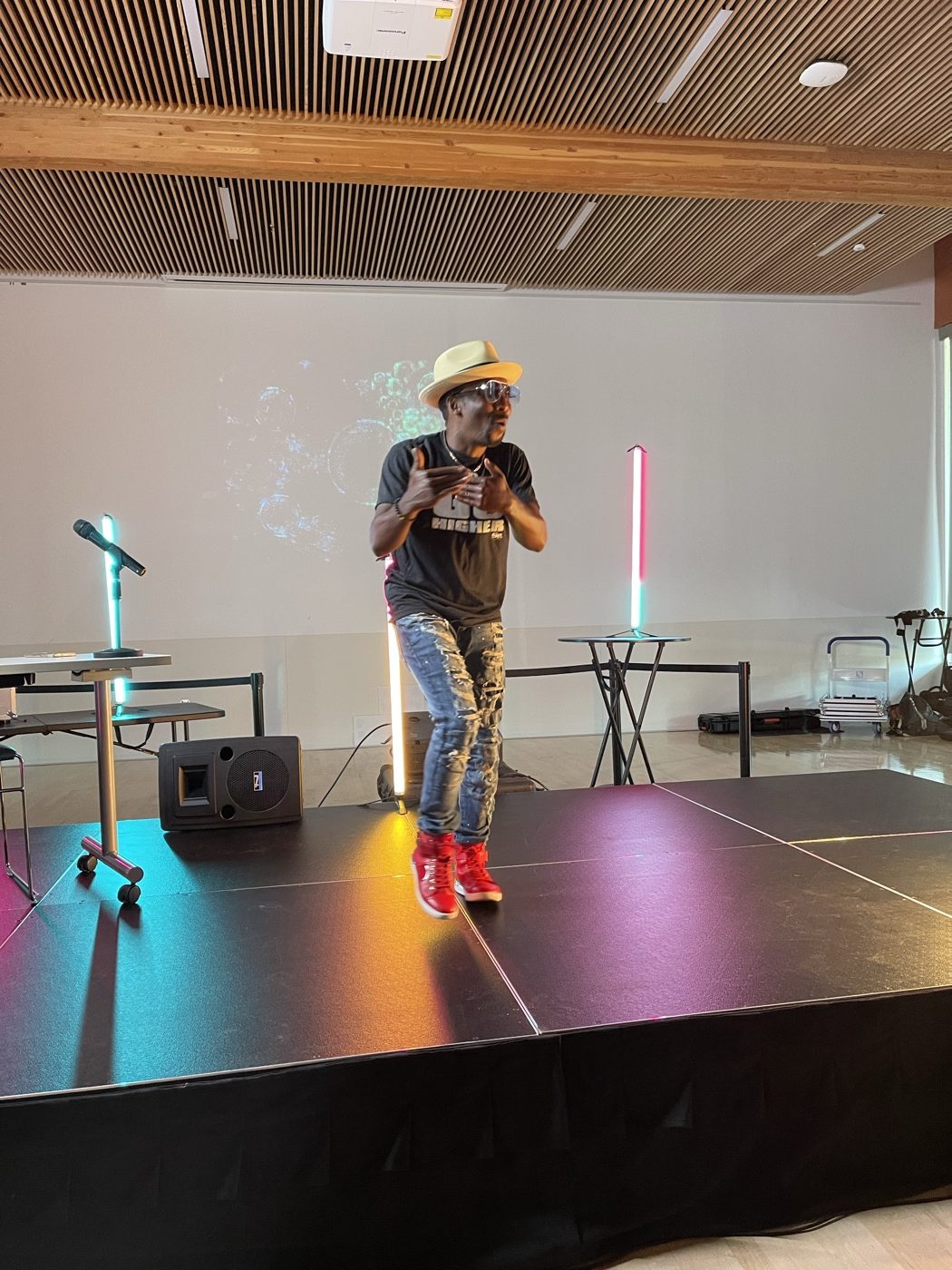
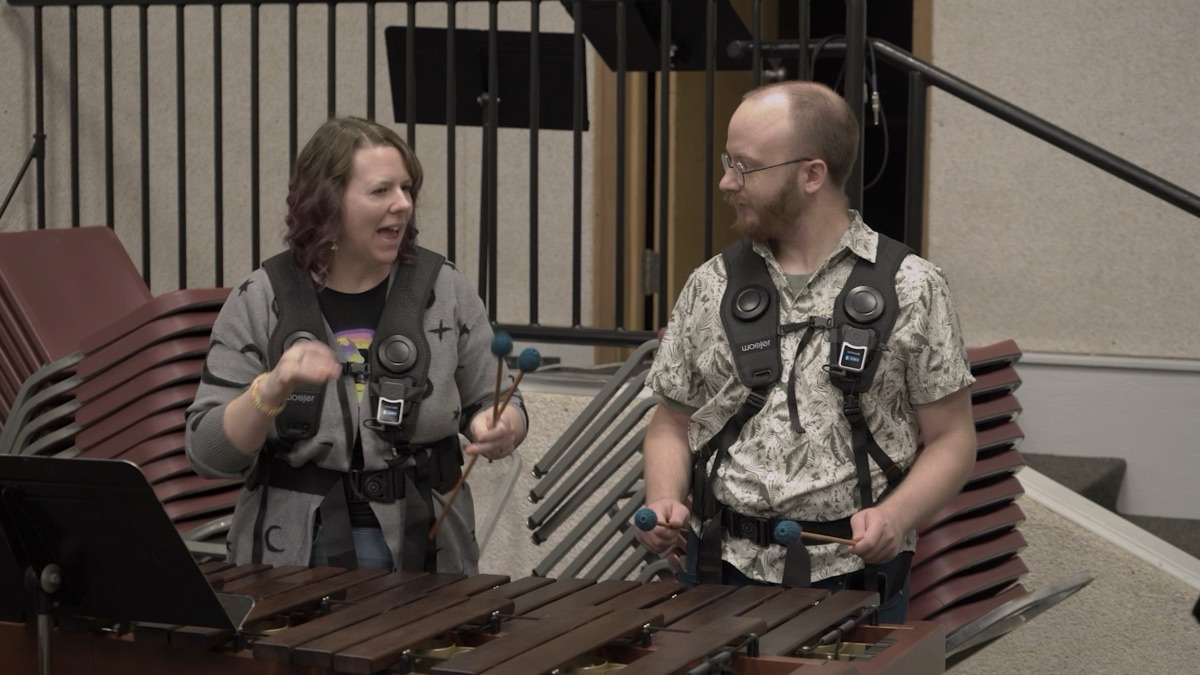
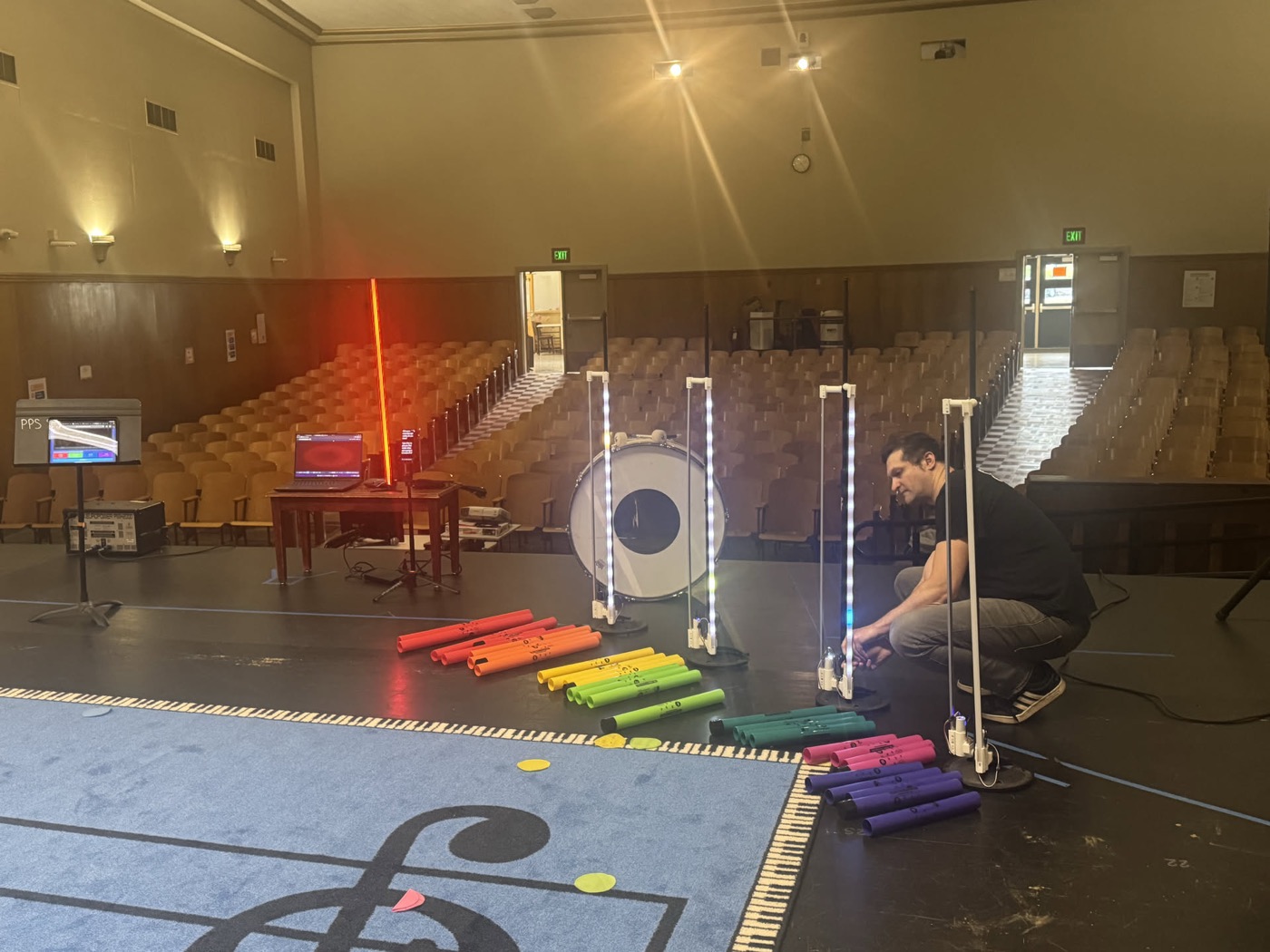
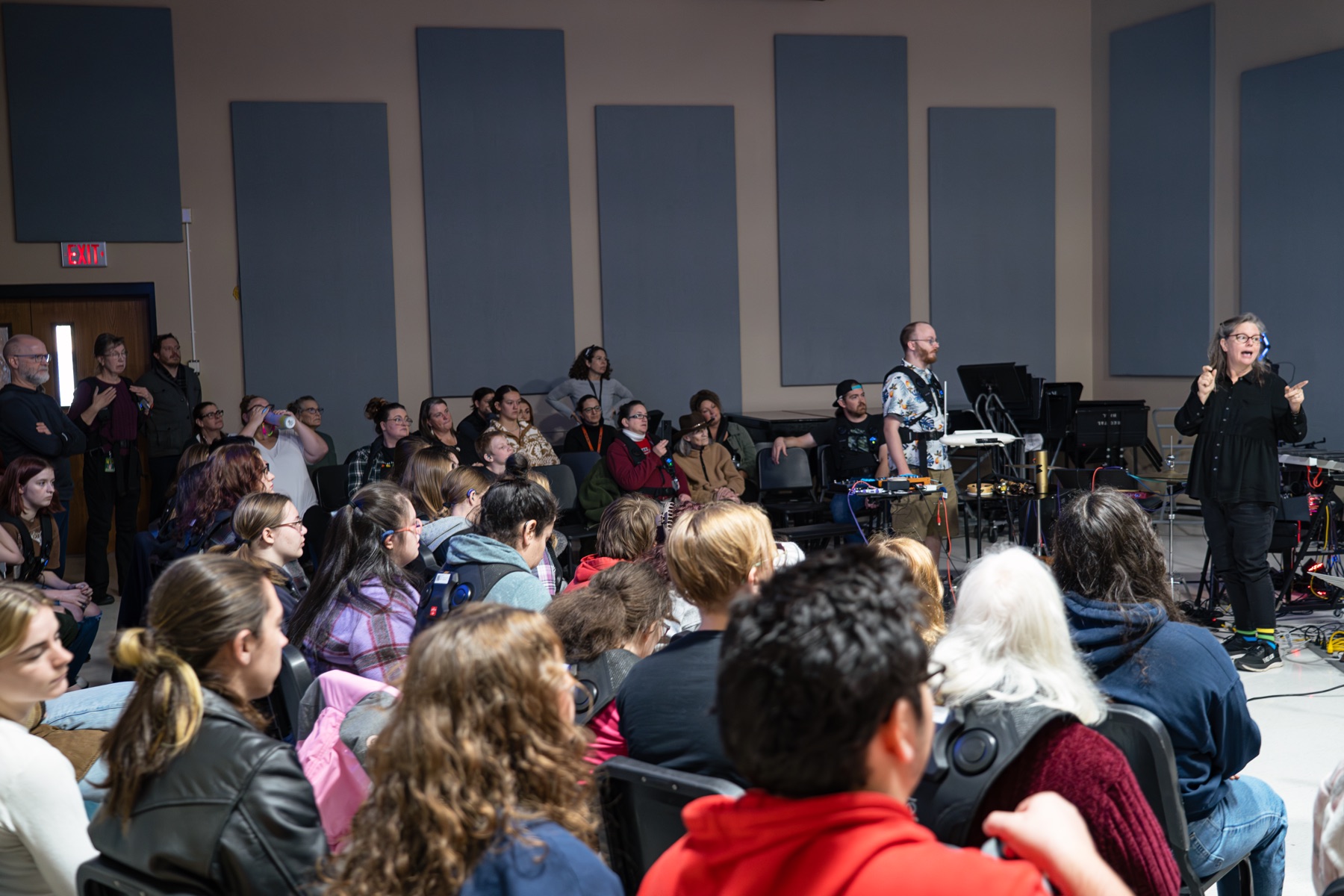
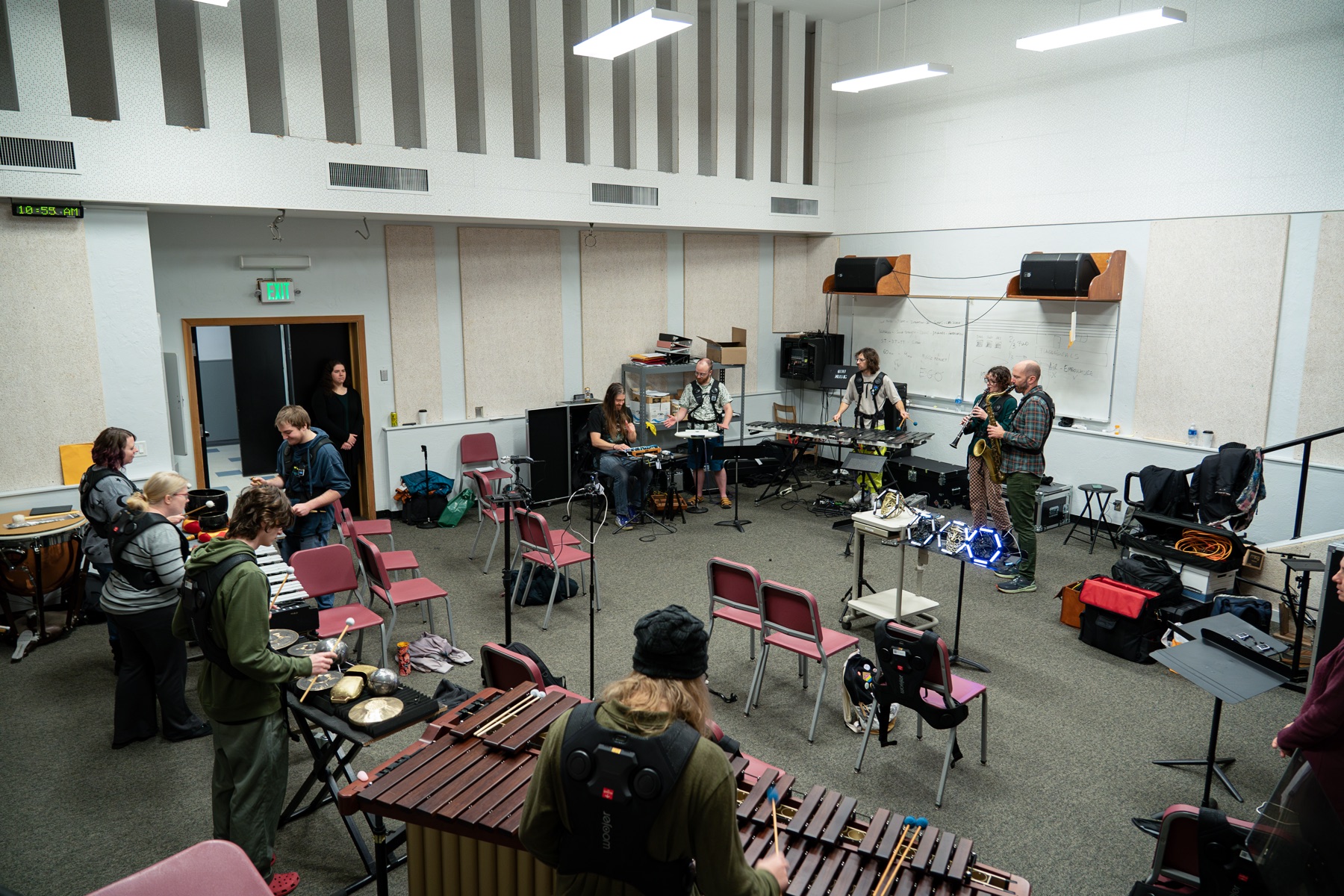
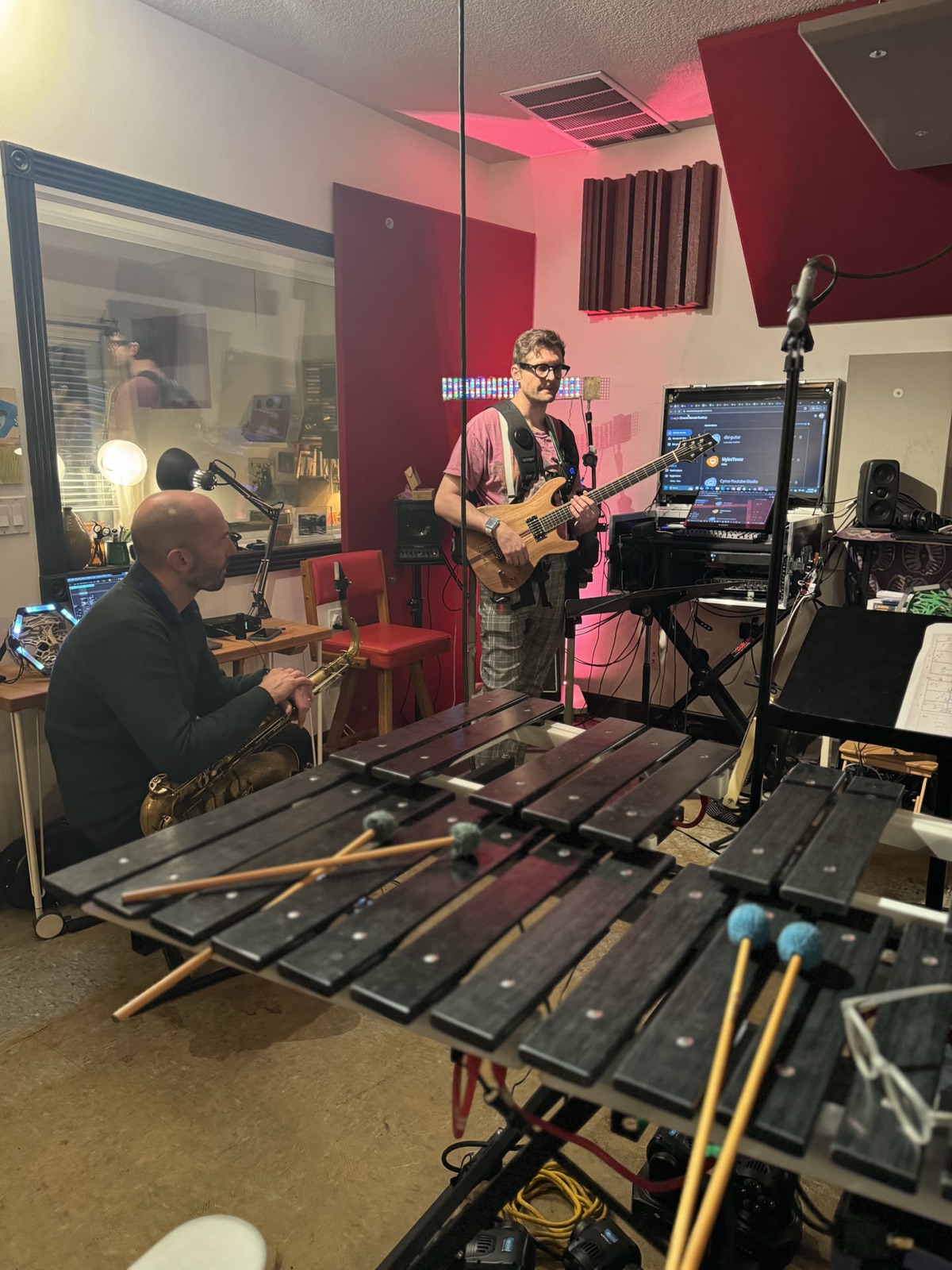
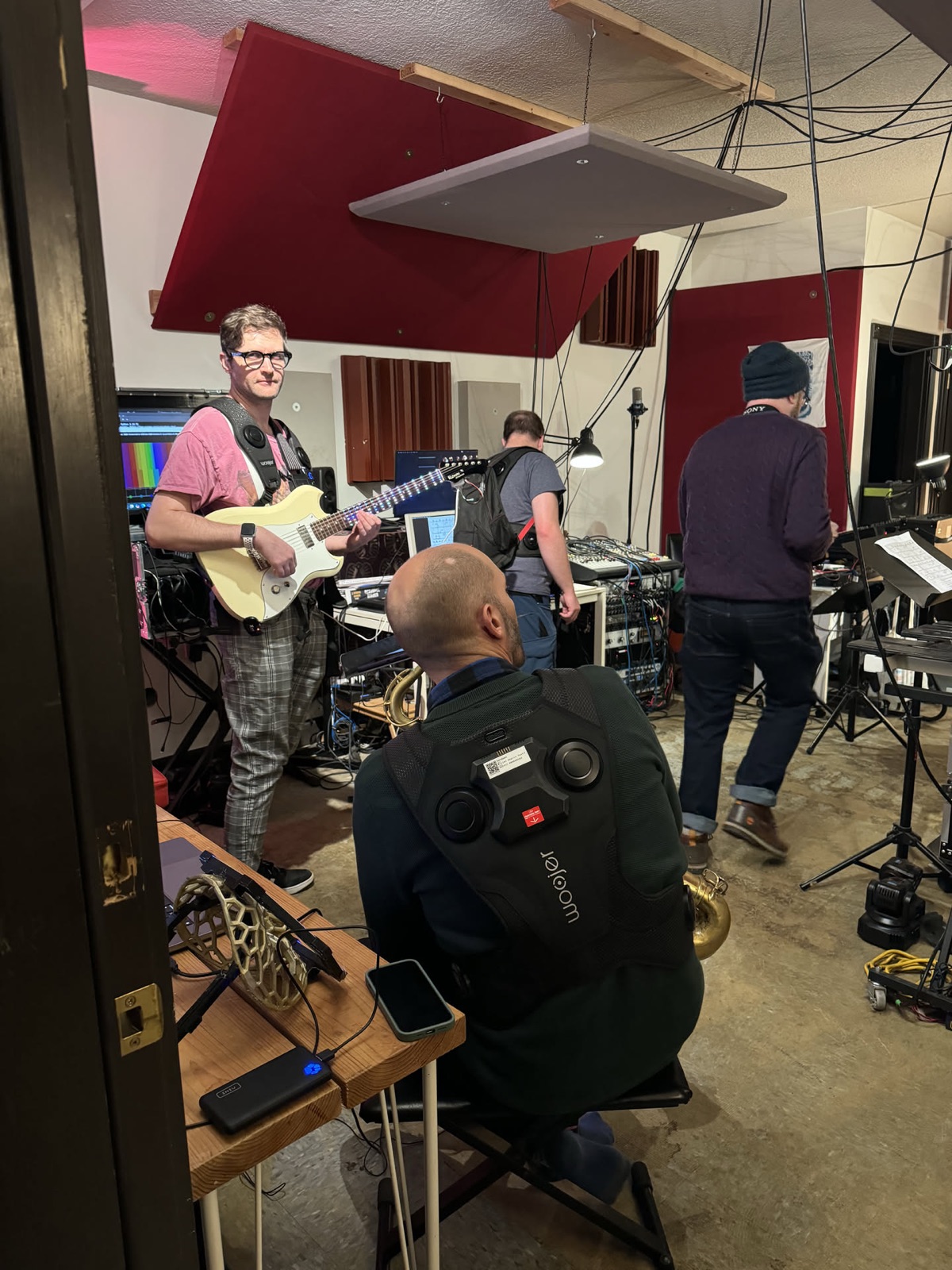
Most music teaching assumes you can hear it. That leaves Deaf and hard-of-hearing people out of playing, not just out of listening. We make music something you can see and feel, so a mixed group can play together without anyone having to adapt.
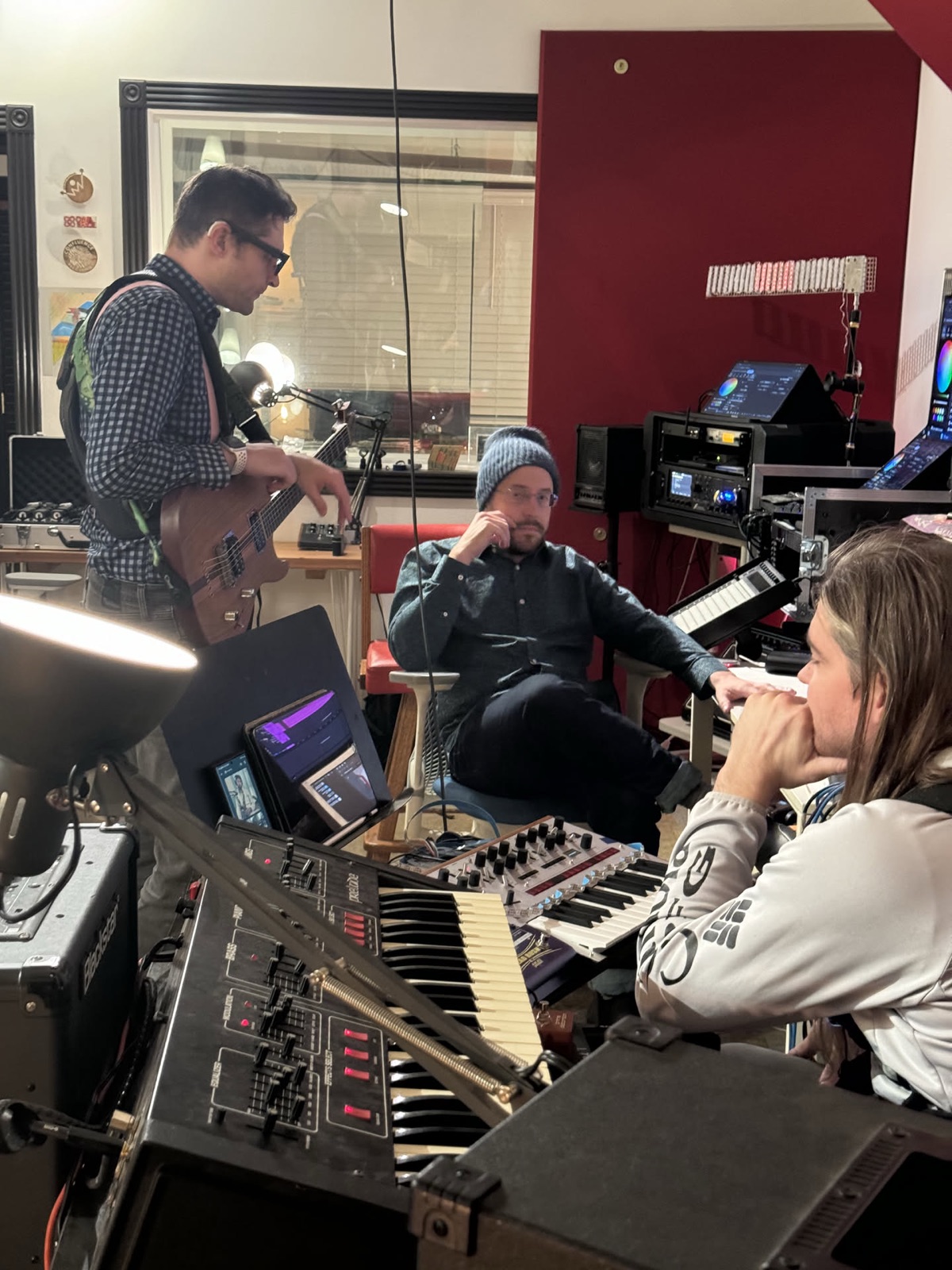
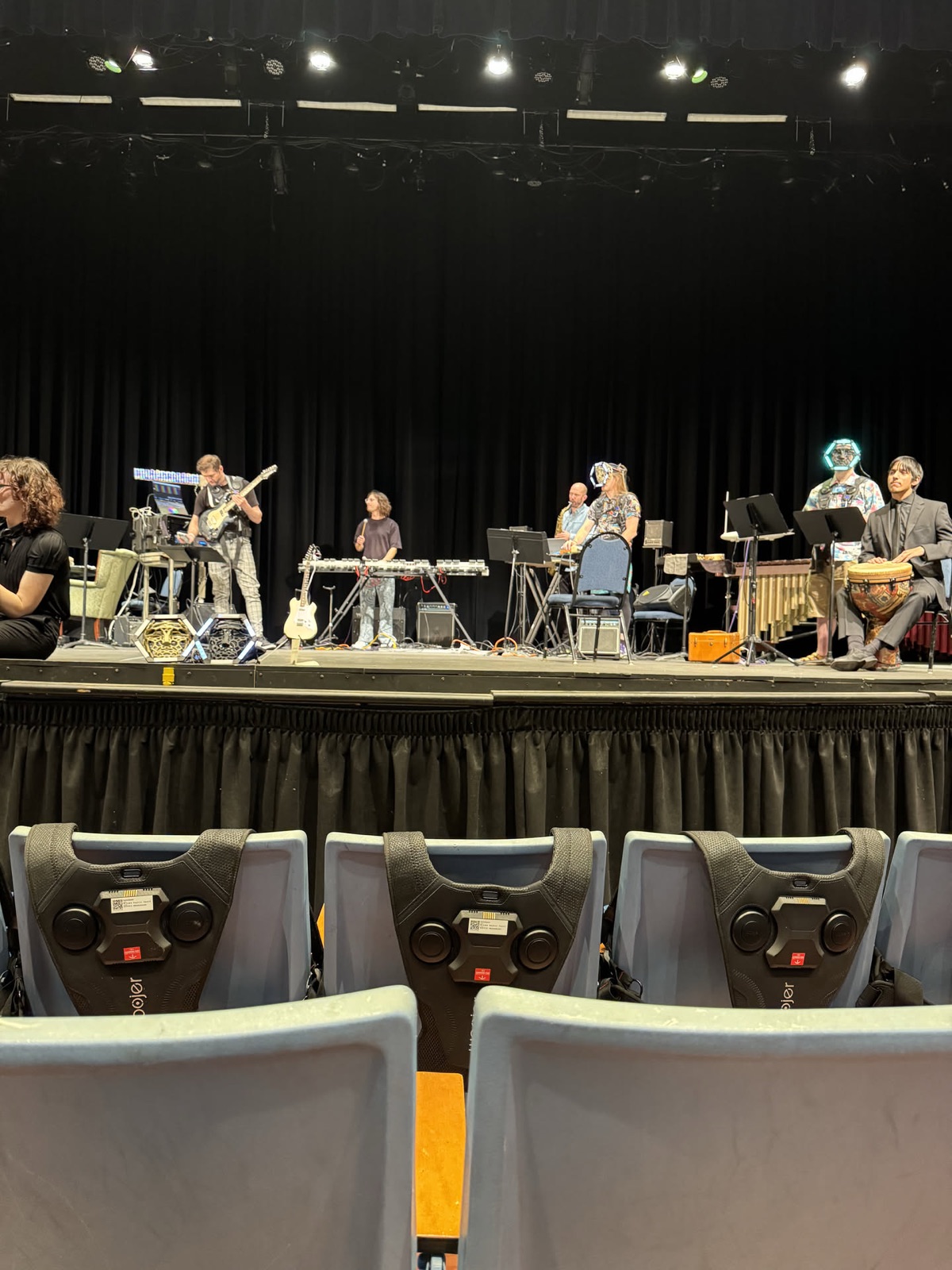
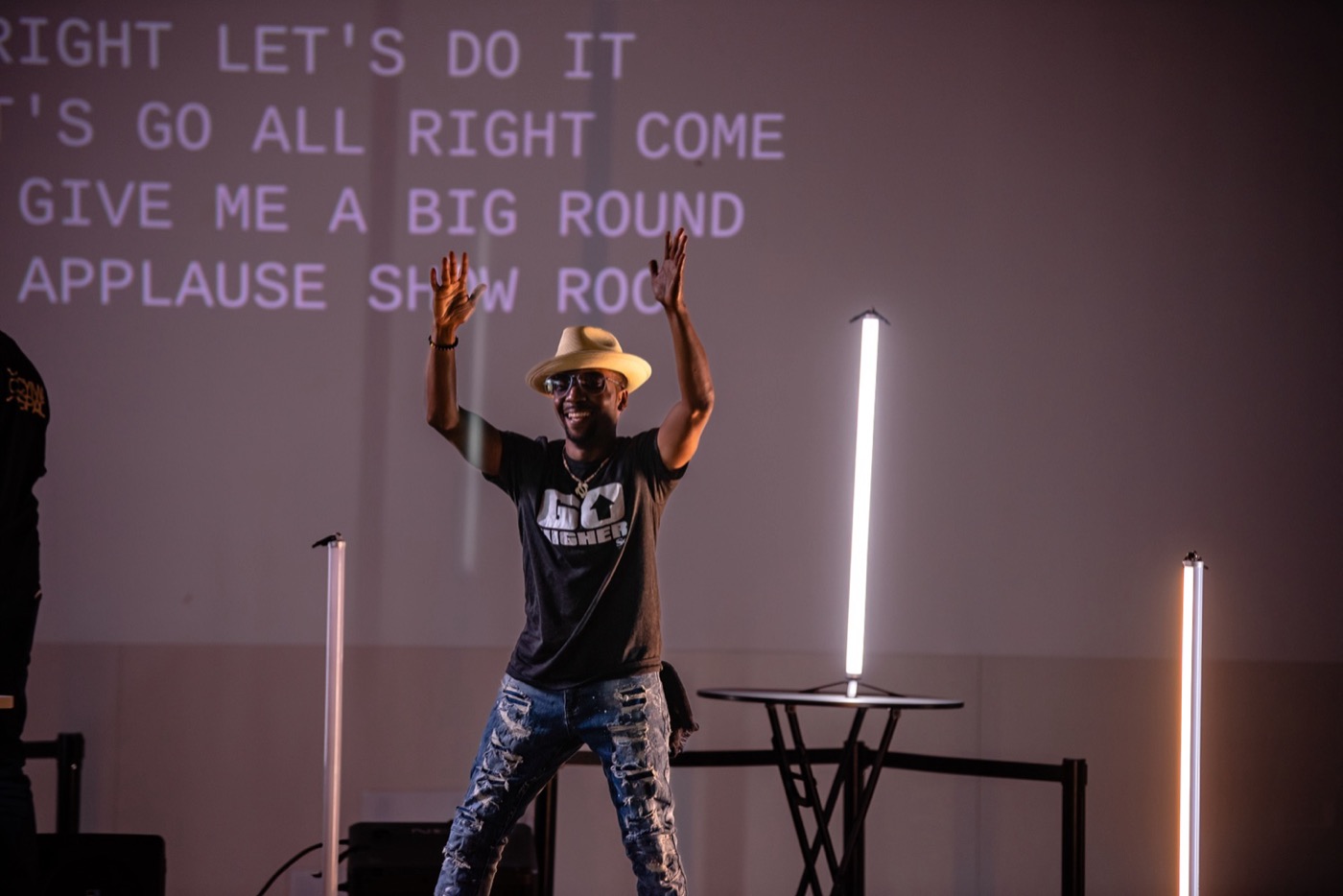
In practice that means two things we build and use ourselves. Pixelboop gives every note a color, so pitch and harmony can be followed by eye instead of by ear, with no notation to learn first. Audiolux turns live sound into light and vibration, so a performance reaches a whole room, including the people in it who cannot hear it.
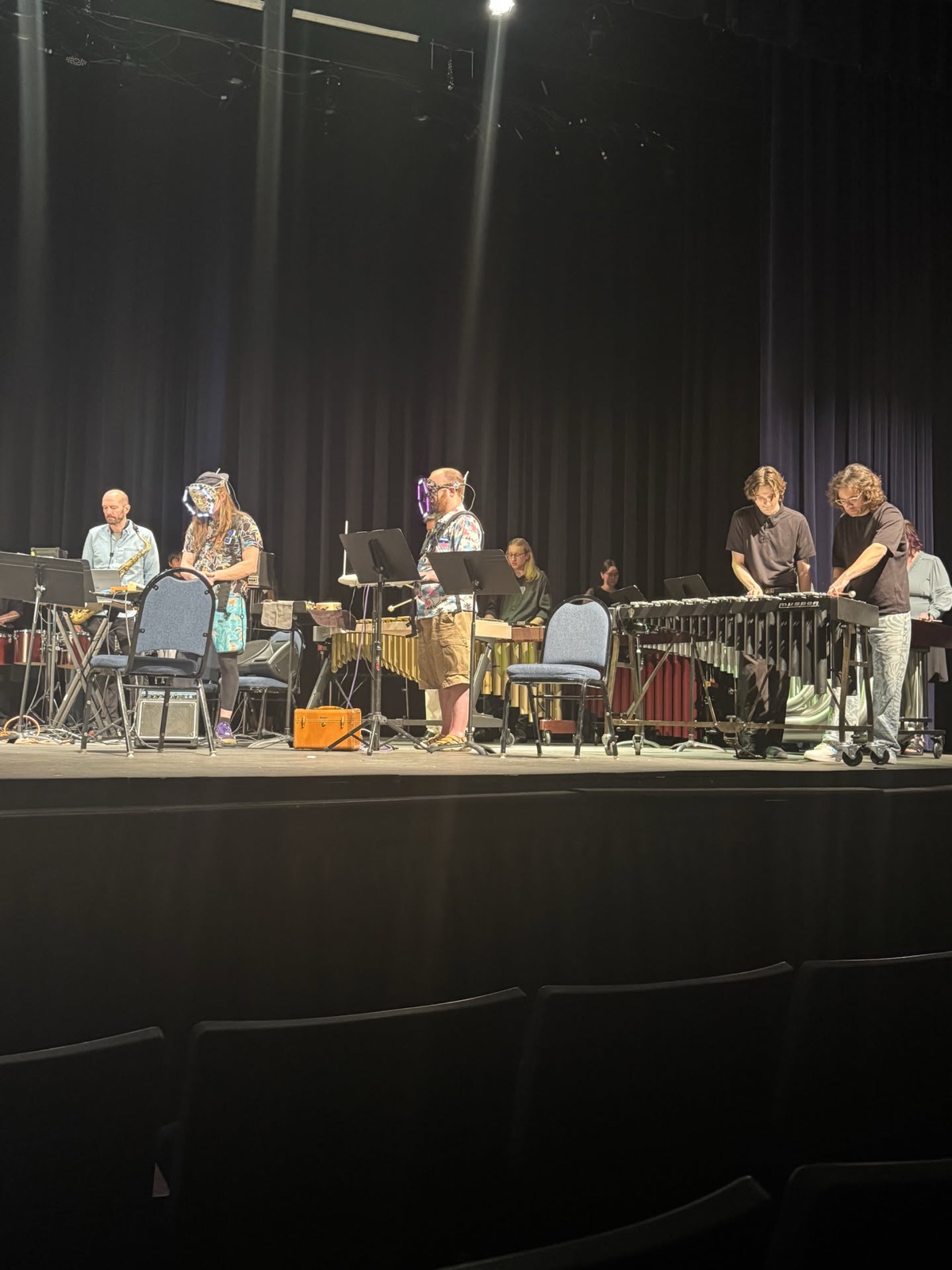
Current partner: the Portland Jazz Composers Ensemble, toward a Deaf-led jazz concert in 2027. The PJCE partnership ↗
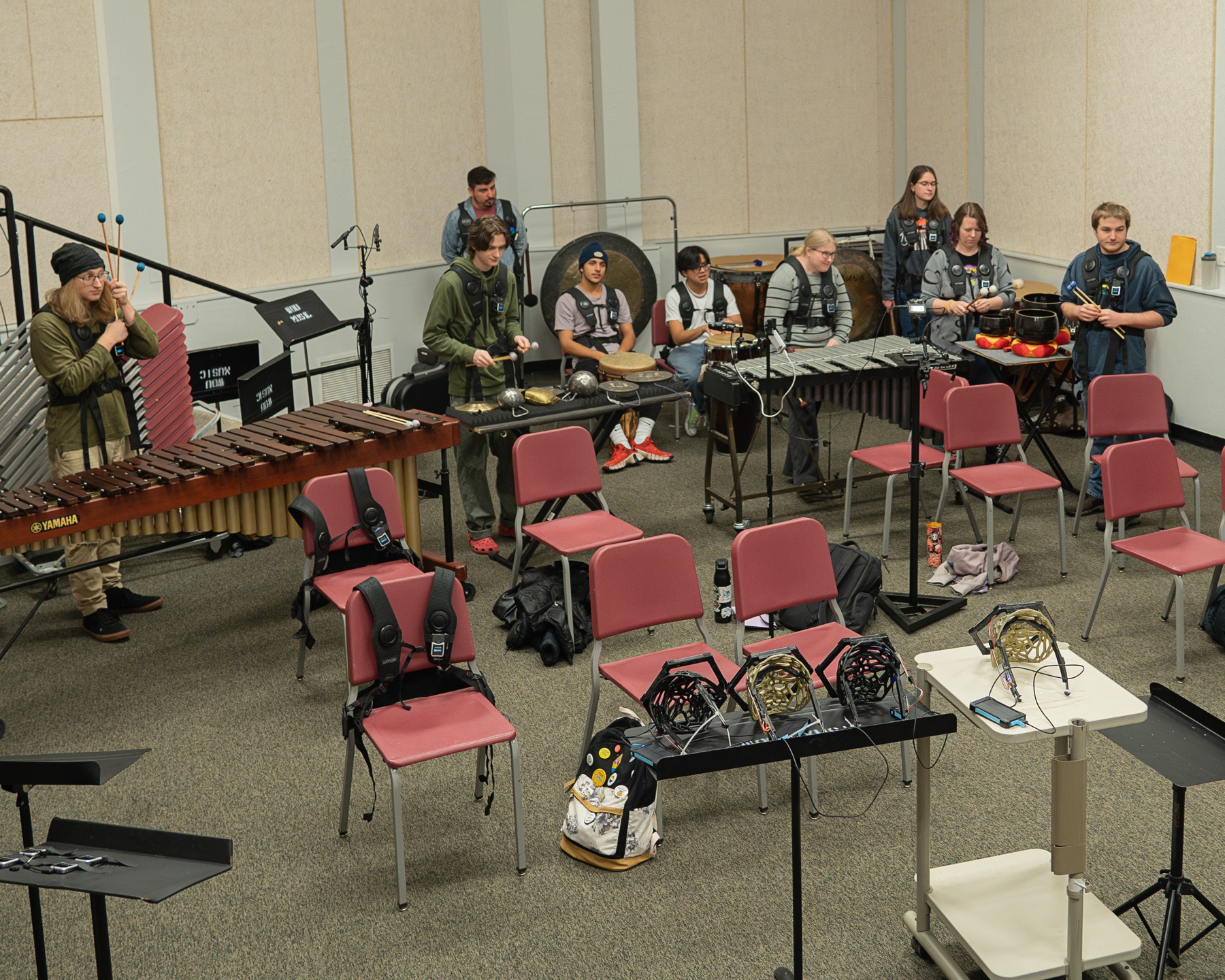
Case study: Deaf jazz workshops at Southern Oregon University →
Education & Advocacy
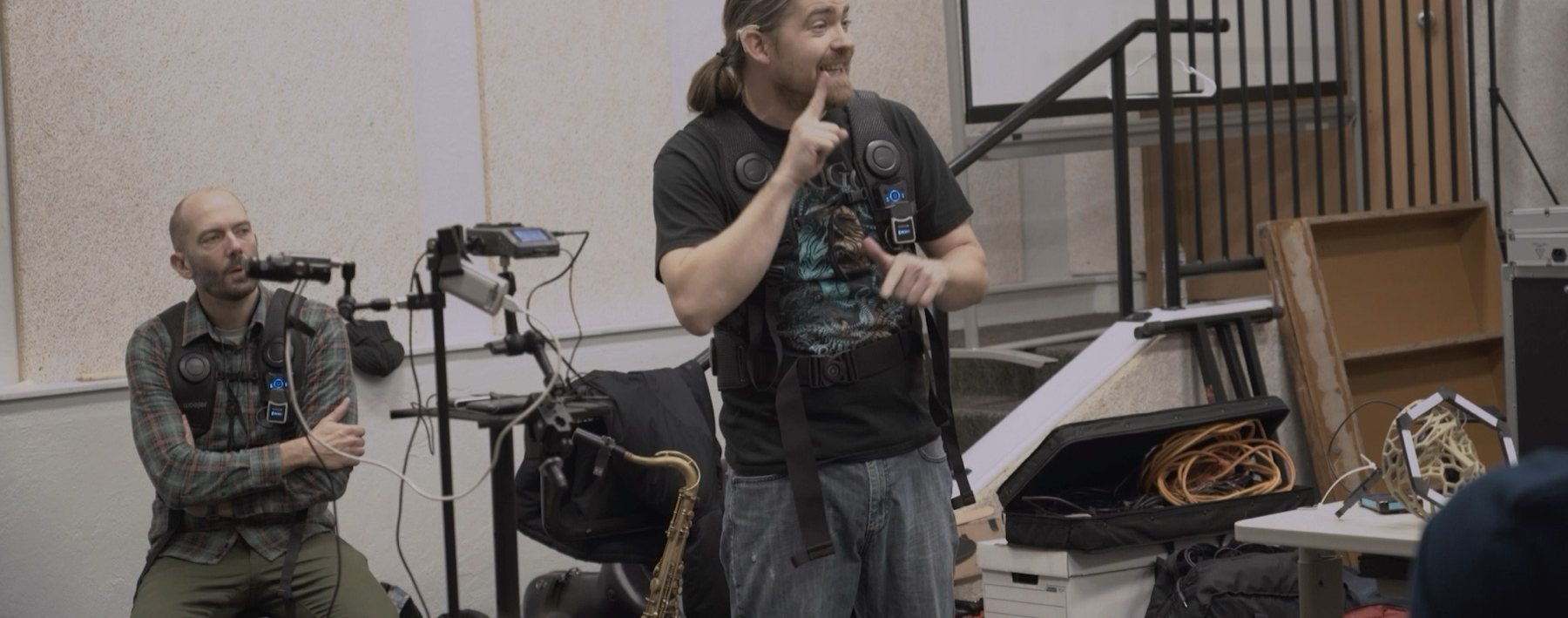
School workshops. Deaf students are often handed a support worker and left at the edge of the music room. We run the session itself, in ASL and English together, so those students are the ones playing. Currently in a Portland Public Schools Deaf education program.
Training for people who make media. Captions and audio description are usually added at the end, by someone who was not in the room, and it shows. We teach filmmakers and producers to plan for them from the first day, which costs less and works better. Delivered in July 2026 for the production staff of a national documentary series.
Case study: SeeSound at Creston School →
Accessibility consulting for film and media is available. Accessibility services →
Tech Support for Seniors
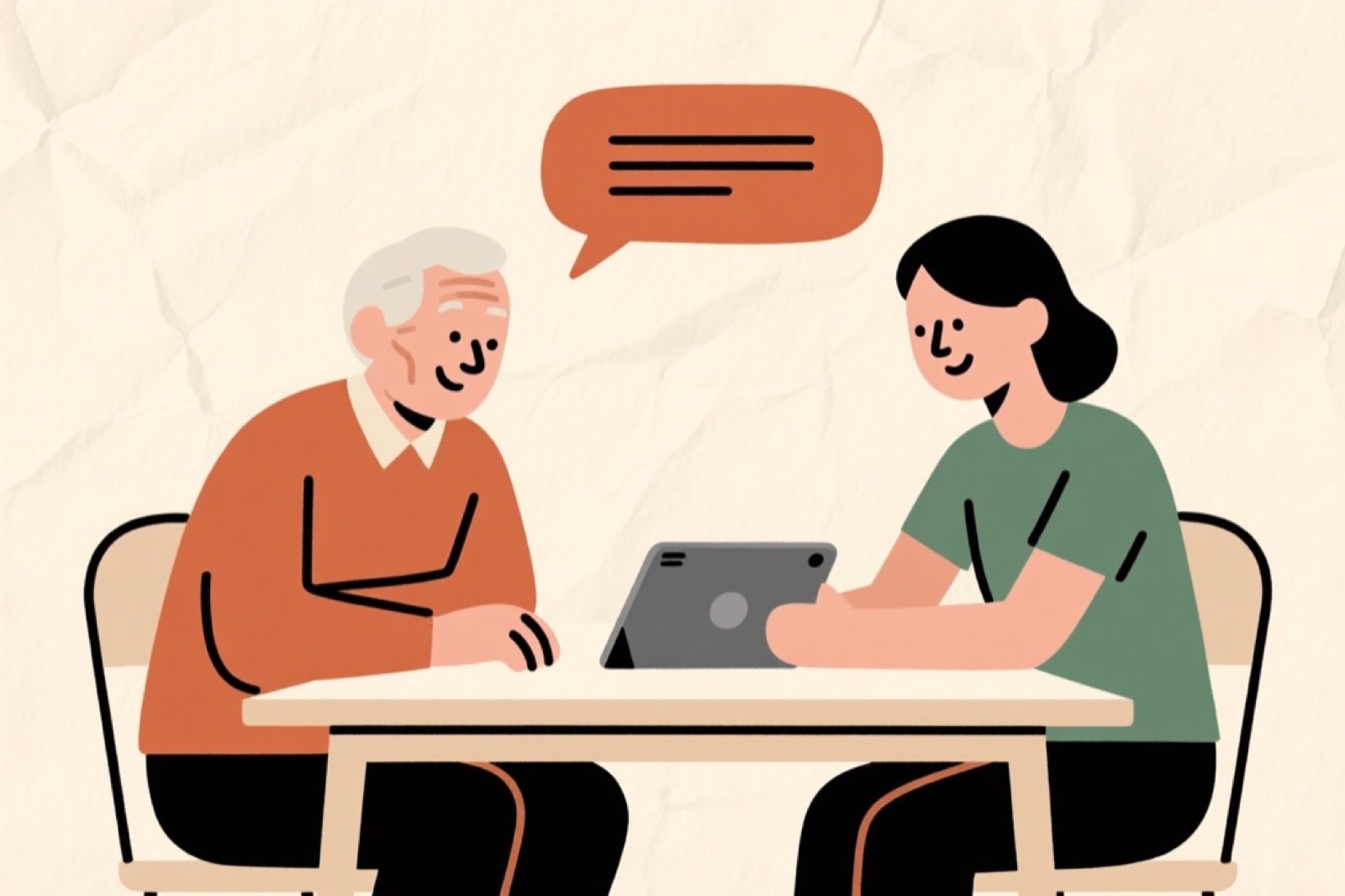
Older adults get the least out of technology and take the most of its harm. Usually they are told to be careful, then left alone with it. We do the opposite.
One to one. A person to ask, by video call or in writing, before you click the thing that looks wrong. Also for the ordinary stuff: the phone, the photos, the video call with family that will not connect.
In groups. Short sessions at libraries and community centers, in plain language, on staying safe and on the things technology is genuinely good for: turning on captions, checking whether something is true, and finding what you saved six months ago.
Starting in Portland, Oregon. Find a helper ↗
Illustration, not a photograph. This program is a pilot.